Confidence Intervals in Meta-analysis
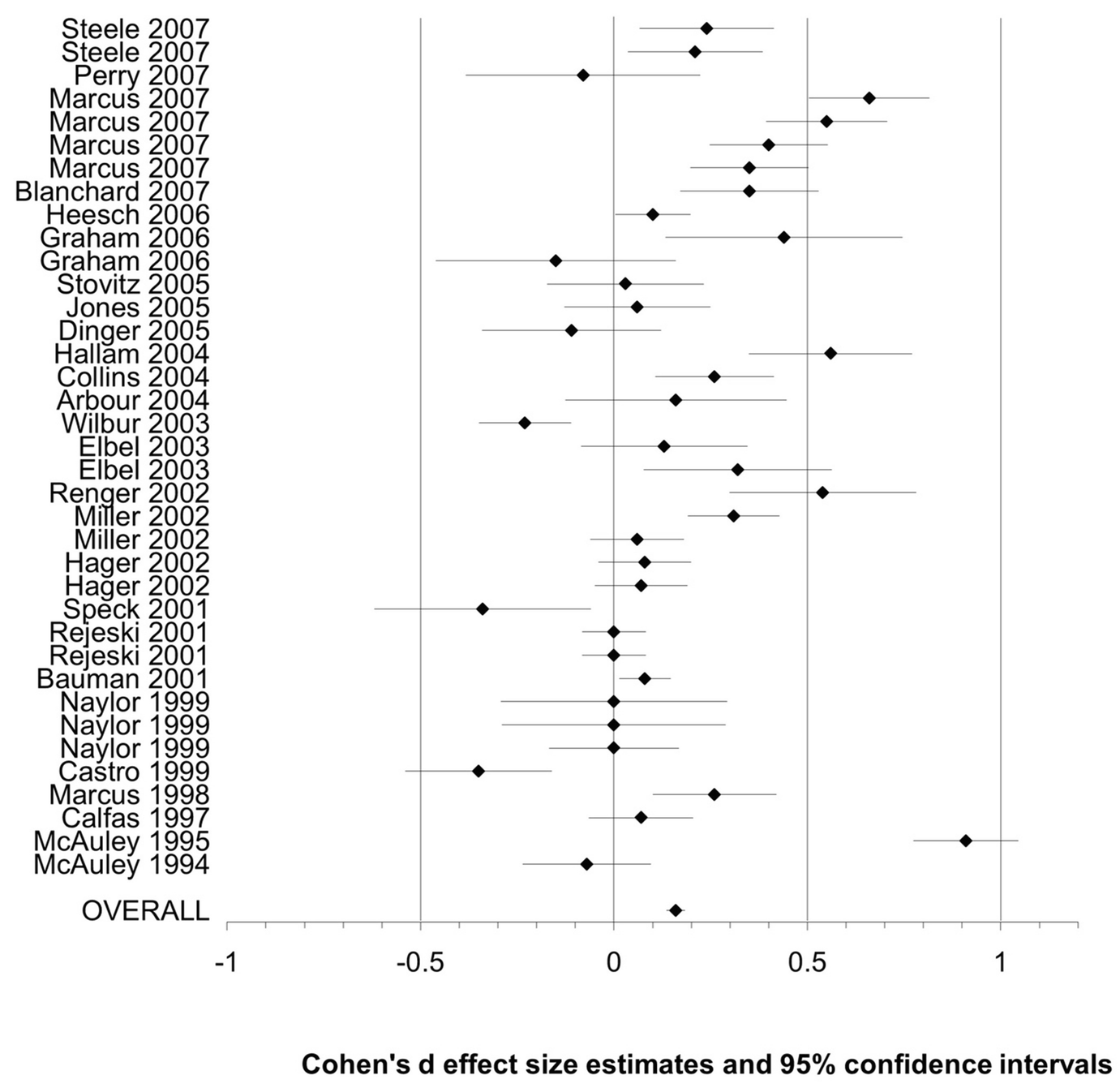
Figure 1 below shows an example of how confidence intervals are used in everyday research. Meta-analysis is the field that combines the results of multiple research papers/studies to better understand what’s going on in the population (i.e. the unknown population parameter of interest).
Each paper/study is represented as a row and is labelled by the authors’ surnames and year of publication. Each study published a point estimate of the unknown population parameter (the diamond) and a confidence interval (CI, the horizontal line).
All studies are trying to estimate the unknown population parameter, and each returned a different estimate and CI. By looking at the various estimates from multiple studies, we can gain a better understanding of what the true population parameter might be.
In the “overall’ row at the bottom of the table, you see a diamond and horizontal line that tries to summarise the combined results of all the studies included in the meta-analysis. The idea is that the combined results of all the studies will give us a better estimate of the unknown population parameter than any single study could on its own. The diamond represents the overall effect size, while the horizontal line represents the confidence interval for that effect size. You will learn more about the term”effect size” in the next semester and for now you can think of it as a measure of the strength of the relationship between two variables. How meta-analysis combines the results from different studies into an “overall” estimate and CI is beyond the scope of this course, but you will see more meta-analyses as you go through your Psychology degree.
References
Ashford, S., Edmunds, J., & French, D. P. (2010). What is the best way to change self-efficacy to promote lifestyle and recreational physical activity? A systematic review with meta-analysis. British Journal of Health Psychology, 15(2), 265–288. https://doi.org/10.1348/135910709X461752